Sports Injury Treatment & Physical Therapy New York NY
Sports Injury Treatment and Physical Therapy in New York, NY
Athletic injuries can interrupt far more than a workout or competition. A sore knee may make stairs uncomfortable, a shoulder injury can change the way you reach or lift, and a recurring ankle problem may make you hesitate before running or changing direction. Even when symptoms initially seem minor, changes in movement can gradually affect strength, coordination, endurance, and confidence.
For active people, recovery is not always about returning to an ordinary level of movement. You may have a specific activity you want to resume, a training routine you want to maintain, or a performance goal that matters to you. The right rehabilitation plan considers those demands rather than treating recovery as a generic process. Understanding how your body currently moves can help establish practical steps toward greater strength, control, and confidence.
At Graphene Physical Therapy, treatment is designed around the person behind the injury. Whether you are a competitive athlete, recreational runner, fitness enthusiast, or simply someone who enjoys staying active, your recovery can be shaped for your lifestyle and goals. With individualized care in New York, NY, the focus is on helping you move forward with greater confidence while building the physical capacity needed for the activities you value.
Your Comeback Starts Here with Expert Sports Injury Treatment in New York, NY
Movement defines how we live, move, and connect with the world — but when an injury interrupts that rhythm, getting back to form takes more than rest. At Graphene Physical Therapy in New York, NY, we help active individuals and athletes recover through focused, one-on-one sports injury treatment that blends medical expertise with personalized attention. Our mission is clear: to restore movement and function, rebuild strength, and not just help you get back to the activities that inspire you but also to prevent reinjury.
Focused Care for Every Athlete
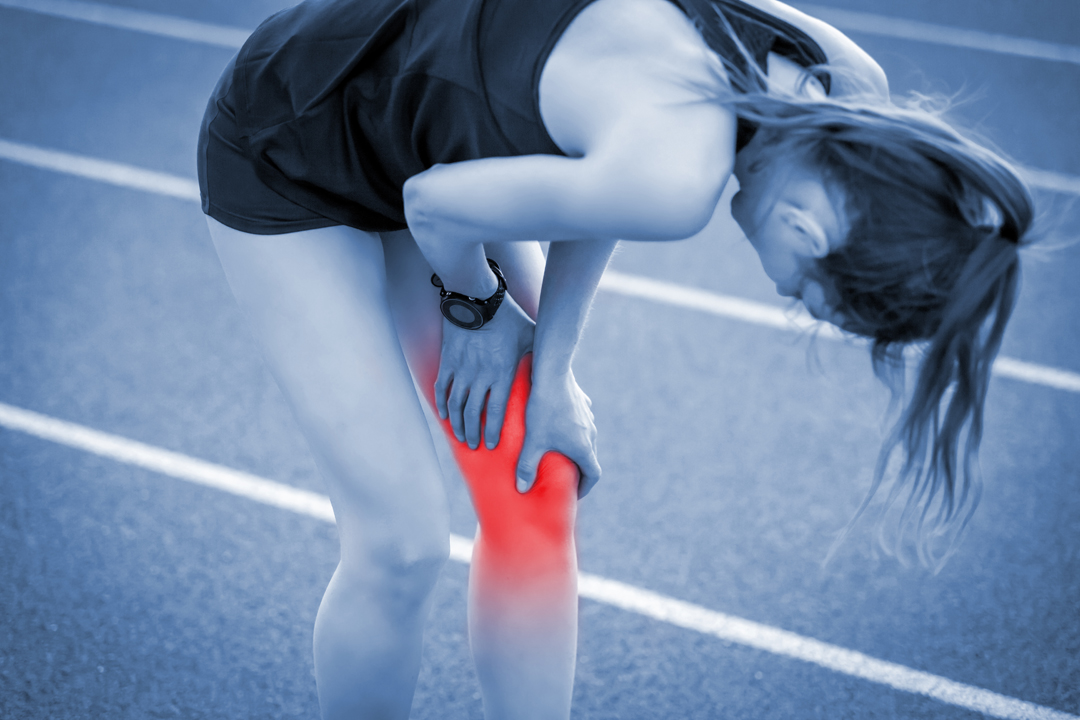
Every injury tells a story — a runner’s knee strain, a climber’s shoulder pain, or a weekend athlete’s back tightness. We take time to understand you, learning how the injury affects your movement, function, and performance. Through detailed evaluation and precise treatment, our licensed physical therapist tailors each session to your body’s needs and the physical demands of your activity. Our approach not only accelerates healing but also reduces the risk of future injury by improving the movement patterns that trigger pain.
We commonly treat a wide range of athletic conditions, including muscle strains, tendon and ligament sprains, joint pain, overuse injuries, and post-surgical recovery. Whether you’re dealing with shoulder impingement, knee instability, hip tendonitis, or spine discomfort, our methods help improve motion, strength, stability and control so you can move with confidence again.
Personalized Sports Injury Therapy
In New York, NY, our athletic injury treatment and sports injury therapy programs combine hands-on manual therapy with guided movement training to target both short-term relief and long-term performance. Each plan aligns with your recovery goals — focusing on restoring mobility, enhancing endurance, and refining control throughout every stage of rehabilitation. We integrate joint mobilization, progressive strengthening, core stabilization and balance training to improve performance and ease pain. Education and sport-specific training are key parts of every session, ensuring you leave not just stronger but smarter about how your body moves.
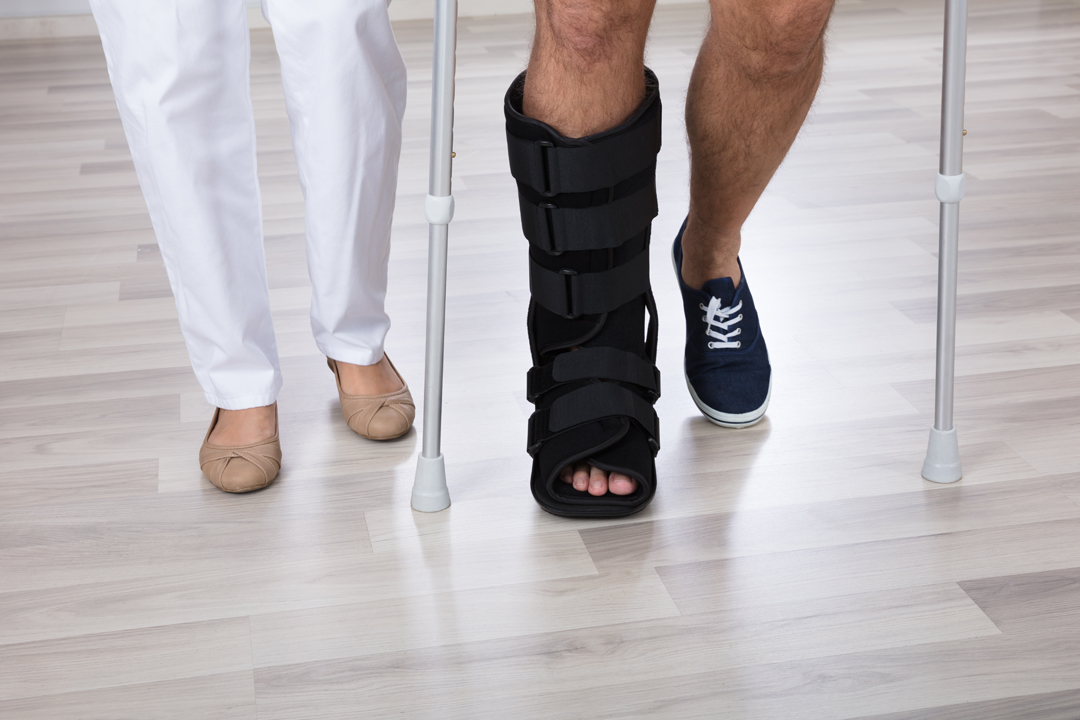
With a commitment to precision and care, Graphene Physical Therapy provides focused, holistic treatment for shoulder, knee, hip, spine, foot/ankle, and elbow/wrist injuries. This targeted care allows us to support the full spectrum of movement and treat the injury holistically from core stability and posture to sport-specific power and coordination.
Recovery Should Match the Demands of Your Activity
Returning to activity involves more than waiting until discomfort decreases. Different sports and activities place different demands on the body. Running requires repeated impact and controlled loading. Tennis and pickleball involve quick changes of direction and reaching. Weight training requires controlled force production. Dance, skating, climbing, and other activities may require combinations of balance, flexibility, coordination, and strength.
That is why rehabilitation should consider what you actually want to do after recovery. A movement that is sufficient for everyday walking may not be enough preparation for sprinting, jumping, lifting, or rapid changes in direction. As your recovery progresses, the physical demands placed on your body can gradually become more specific to your activities.
Your plan may evolve as your abilities improve. Early treatment may emphasize comfortable movement and restoring basic mobility. Later stages can introduce greater resistance, speed, endurance, coordination, or activity-specific challenges. This progression allows your body to adapt rather than asking it to immediately perform at its previous level.
Your Activity Level Matters
Recovery can look very different for different people. Consider how your goals may influence your rehabilitation:
- Recreational athletes may want to return to weekend activities without hesitation.
- Runners may need to rebuild tolerance for repetitive impact.
- Strength-training enthusiasts may need to regain control and loading capacity.
- Competitive athletes may require more advanced preparation before returning to full training.
- Active professionals may need to balance recovery with demanding work schedules.
- Older active adults may want to maintain mobility and continue participating in favorite activities.
The goal is not to compare your recovery with someone else’s. It is to understand what your body needs for the activities that are meaningful to you.
Understanding How Sports Injuries Develop
Not every athletic injury happens during a single dramatic moment. Some occur suddenly through a fall, collision, awkward landing, or rapid change of direction. Others develop gradually as the body experiences repeated demands without enough opportunity to adapt.
Training volume, recovery habits, previous injuries, changes in activity, technique, and physical conditioning can all influence how someone responds to exercise. A person who suddenly increases running mileage may place demands on tissues that have not yet adapted to the new workload. Similarly, returning to intense training immediately after time away can create a different challenge than gradually rebuilding activity.
This does not mean that one factor is always responsible for an injury. Athletic problems are often influenced by several factors at the same time. Looking at the larger picture can help identify opportunities to make recovery more sustainable.
Factors Worth Considering
- Sudden increases in training intensity or duration
- Returning to activity after an extended break
- Repeating the same movement without adequate recovery
- Previous injuries that changed movement patterns
- Reduced strength or mobility
- Changes in equipment, surfaces, or training environments
- Insufficient recovery between demanding sessions
- Fatigue that affects movement quality
Recognizing these influences can help you make thoughtful adjustments without giving up the activities you enjoy.
Building Capacity Before Returning to Full Training
One of the most important parts of athletic recovery is developing enough physical capacity to handle the demands of your activity. Feeling better is encouraging, but improved comfort does not always mean the body is ready for every training demand.
A gradual increase in workload allows the body to adapt. Depending on the injury and your goals, this might involve progressively increasing resistance, repetitions, walking or running duration, balance challenges, movement speed, or sport-specific drills.
The appropriate progression depends on the individual. Someone returning from a mild strain may follow a different path from someone recovering after surgery or a significant ligament injury. Everything matters: your previous fitness level, current abilities, injury history, and goals.
Progress Can Be Measured in Different Ways
Recovery is not always reflected by one simple number. Meaningful improvements may include:
- Moving through a larger range of motion
- Producing more strength with better control
- Completing activity for longer periods
- Improving balance and coordination
- Performing movements with less hesitation
- Tolerating increased training demands
- Recovering more comfortably between activities
- Returning to skills that were previously limited
Looking at these changes can provide a more complete picture of recovery than focusing only on whether symptoms are present on a particular day.
Returning to Sport With a Clearer Plan
The final stages of recovery can be challenging because athletes often feel ready to return before their body has fully rebuilt the abilities required for their sport. A controlled progression can help bridge that gap.
Instead of moving directly from rehabilitation exercises to unrestricted participation, you may benefit from gradually introducing more demanding movements. Running may progress from walking to jogging and eventually faster or longer efforts. A basketball player may gradually reintroduce jumping, landing, cutting, and sport-specific drills. A weight lifter may progressively increase resistance while focusing on technique and control.
The exact sequence depends on your activity and injury. The purpose is to create opportunities for the body to experience increasing demands before full participation resumes.
A Gradual Return May Include:
- Restoring comfortable everyday movement
- Rebuilding foundational strength and mobility
- Increasing endurance and control
- Introducing more demanding movement patterns
- Practicing activity-specific skills
- Gradually increasing training volume or intensity
- Returning to regular participation with greater confidence
A thoughtful progression can also help you recognize areas that still need attention before returning to your previous level of activity.
Physical Recovery and Performance Can Work Together
Rehabilitation does not have to mean putting your goals on hold indefinitely. When appropriately planned, recovery can become an opportunity to understand your movement better and build a stronger foundation for future activity.
For example, an athlete may discover that one side is weaker than the other, that certain movements are less controlled under fatigue, or that a previous injury has influenced the way they perform a familiar task. Addressing these limitations can help improve overall movement quality while supporting the return to activity.
This does not mean every athlete needs an intensive performance program. The appropriate level of training depends on the person and the activity. The priority is to match rehabilitation with what your body is realistically prepared to handle.
For active individuals in New York, NY, that personalized perspective can make rehabilitation feel less like an interruption and more like a structured step toward returning to the lifestyle they enjoy.
Staying Consistent Between Sessions
Progress is not limited to the time spent inside the clinic. How you manage activity between appointments can influence how your body responds as training gradually increases.
Your therapist may recommend exercises, mobility work, activity modifications, or specific recovery strategies that fit your routine. The goal is not to overwhelm you with a long list of tasks. Instead, recommendations should have a clear purpose and support the stage of recovery you are currently working through.
Consistency can also help you better understand your own responses to activity. You may begin to recognize which movements feel easier, which activities require more preparation, and when additional recovery may be appropriate. That awareness can become useful as you transition back toward independent training.
Confidence Is Part of the Comeback
An injury can change how you think about movement. Even after physical improvements, you may hesitate before making a quick turn, increasing your running speed, lifting heavier weights, or returning to a favorite sport.
Confidence develops through experience. Gradually practicing movements and activities in a controlled way can help you become more familiar with what your body can handle. As strength, coordination, and tolerance improve, previously concerning movements may begin to feel more manageable.
The goal is not to eliminate every concern before you move again. It is to help you develop the physical capacity and understanding needed to participate more confidently and make informed decisions about your activity.
Experience the Graphene Approach
What sets us apart is our commitment to focused, private care in an environment designed for healing and performance. You’ll work exclusively with a skilled physical therapist who stays with you from evaluation through every phase of progress. Our sessions are designed to improve movement while restoring comfort so every phase of recovery fosters lasting strength and confidence.
Patients often choose us for our one-on-one attention, evidence-based techniques, and results that extend beyond the clinic. The benefits include reduced pain, improved stability, enhanced mobility, and clear guidance for a safe return to training or competition.
When Professional Sports Injury Care May Be Helpful
Some minor athletic aches improve as activity is adjusted and the body has an opportunity to recover. However, persistent symptoms, recurring problems, or noticeable changes in movement may warrant professional evaluation.
Consider seeking guidance when:
- Pain continues despite reducing activity.
- You repeatedly experience the same injury.
- Swelling or stiffness affects normal movement.
- Strength has noticeably decreased.
- You are changing your technique to avoid discomfort.
- You cannot perform your usual activity at your previous level.
- You are uncertain about returning to training.
- An injury occurred suddenly during exercise or competition.
- Symptoms are affecting your confidence in movement.
An evaluation can help clarify what may be limiting your activity and whether rehabilitation is appropriate. It can also help determine whether additional medical assessment is necessary.
You do not have to be a professional athlete to benefit from individualized care. Anyone who values movement and wants to return to an active lifestyle can have goals worth working toward.
A Recovery Plan Built Around What You Want to Do
Sports Injury Treatment should be more than a temporary response to pain. It should help you rebuild the abilities required for your daily activities, training, and long-term movement goals. A personalized approach allows the focus to shift as your recovery progresses, from restoring basic function to developing greater strength, control, and activity tolerance.
For active individuals, Sports Physical Therapy can provide structured guidance while keeping the demands of a specific activity in mind.
Treatment can progress from foundational movement to more challenging tasks as your abilities improve, helping you approach your return with higher preparation.
Athletic Injury Treatment can also be valuable when the goal is not simply to resume activity but to understand why the injury occurred and how to reduce the likelihood of repeating the mistake. Looking at movement patterns, physical demands, previous injuries, and training habits can provide useful context for a more complete recovery.
For those whose lifestyle revolves around movement, Physical Therapy For Athletes can support the transition from injury recovery back toward training, recreation, and performance. The emphasis remains on appropriate progression rather than rushing to meet an arbitrary timeline.
At Graphene Physical Therapy, the objective is to help you understand your body, rebuild your abilities, and return to the activities that make you feel like yourself. Whether your goal is a weekend run or attending gym sessions, recreational league, dance class, or competitive sport, your rehabilitation can be shaped around what matters to you.
Begin Your Recovery Journey
Injury doesn’t have to define your path forward. With expert sports injury treatment, we help you regain control, rebuild trust in your body, and return to what you love most. Call 646-588-0082 or text 347-706-3503 or schedule your one-on-one session online to start your recovery at Graphene Physical Therapy in New York, NY.
Your next chapter of movement starts here — strong, confident, and pain-free.