Spine Physical Therapy in New York, NY for Pain Relief, Strength, and Better Movement
Orthopedic Rehabilitation and Physical Therapy in New York, NY
Spinal pain can affect the way you work, exercise, sleep, sit, walk, and enjoy everyday activities. Neck stiffness after a long day at a desk, persistent discomfort in the lower back, or pain that travels into the arms or legs can make even familiar movements feel challenging. At Graphene Physical Therapy, we take the time to understand how your spine functions within your entire movement system rather than focusing only on where you feel discomfort. Our private, one-on-one approach allows your physical therapist to perform a thorough evaluation and develop care around your symptoms, lifestyle, activity level, and recovery goals. Located in New York, NY, we provide personalized orthopedic rehabilitation focused on restoring strength, mobility, stability, and confidence. Whether you are dealing with a recent injury, recurring discomfort, a disc-related condition, or movement limitations following surgery, your treatment is designed to help you move forward with greater control and confidence.
Understanding Spinal Pain and Movement
The spine is central to how your body moves and supports itself. It provides stability for the trunk while allowing the neck, back, pelvis, and limbs to move through everyday and athletic activities. Because so many movements depend on the spine, discomfort can develop for a variety of reasons. Sitting for extended periods, repetitive activity, lifting, sports, previous injuries, reduced mobility, muscle weakness, and changes in movement patterns may all contribute to symptoms.
Graphene’s current spine treatment area includes conditions involving both the cervical and lumbar regions, as well as sciatica, radiculopathy, sacroiliac joint pain, postural dysfunction, fractures, and post-operative rehabilitation.
Common symptoms may include:
- Neck or back stiffness
- Localized spinal discomfort
- Pain that increases with certain movements
- Reduced mobility
- Muscle tightness or weakness
- Pain associated with prolonged sitting
- Discomfort during lifting or exercise
- Symptoms extending into an arm or leg
- Difficulty maintaining comfortable posture
- Reduced confidence with physical activity

Because spinal symptoms can have different causes, a detailed evaluation is an important first step. Your physical therapist can assess movement quality, mobility, strength, posture, and functional limitations to better understand how your symptoms affect your daily activities.
Conditions We Treat
Graphene Physical Therapy’s current spine care includes cervical and lumbar disc degeneration or herniation, upper and lower back pain, sacroiliac joint pain, postural dysfunction, sciatica, cervical and lumbar radiculopathy, fractures, post-operative rehabilitation, and headaches originating from the cervical region.
Neck and Cervical Conditions
Neck discomfort can develop from prolonged desk work, repetitive activity, an injury, or changes in mobility and strength. Symptoms may include stiffness, restricted movement, headaches, or discomfort extending toward the shoulders or arms.
Cervical Spine Physical therapy can be incorporated into a personalized rehabilitation plan when appropriate. Treatment may focus on improving mobility, strengthening supporting muscles, addressing movement patterns, and helping you regain comfortable function.
Lower Back Conditions
Lower back symptoms are among the most common spinal complaints and can interfere with sitting, standing, walking, lifting, exercising, and sleeping. Graphene’s current back-pain care addresses acute and chronic conditions and emphasizes identifying contributing movement patterns rather than simply managing symptoms.
Lower Back Pain Physical therapy may be appropriate for individuals experiencing pain associated with muscle strain, disc conditions, postural limitations, movement dysfunction, or other musculoskeletal concerns.
Disc-Related Conditions
Disc degeneration or herniation can sometimes contribute to localized pain, stiffness, or symptoms extending into an arm or leg. Rehabilitation depends on the individual’s presentation and may focus on improving movement, strength, stability, and tolerance for daily activities.
Sciatica and Radiculopathy
Symptoms that travel from the spine into an arm or leg may involve irritation of a nerve or surrounding structures. A physical therapist can evaluate how movement, strength, mobility, and functional activities relate to your symptoms and develop an appropriate treatment strategy.
Sacroiliac and Postural Conditions
The pelvis, hips, and spine work together to transfer forces throughout the body. Changes in mobility, strength, or movement coordination can influence how the lower back handles physical demands. Rehabilitation may therefore consider the surrounding joints and muscles rather than isolating one painful area.
Signs You May Benefit From Physical Therapy
Not every episode of back or neck discomfort requires professional rehabilitation. However, persistent, recurring, or activity-limiting symptoms deserve attention.
Consider scheduling an evaluation if you experience:
- Pain that continues or repeatedly returns
- Difficulty sitting or standing comfortably
- Restricted neck or back movement
- Pain while lifting or exercising
- Weakness affecting daily activities
- Symptoms extending into an arm or leg
- Difficulty returning to sports
- Recurring symptoms after previous treatment
- Changes in posture or movement
- Reduced confidence with normal activities
A comprehensive evaluation can help determine whether physical therapy is appropriate and identify the factors that may be influencing your symptoms.
Personalized Spine Rehabilitation in New York, NY
At Graphene Physical Therapy, spine rehabilitation begins with understanding how your condition affects your specific goals. Your physical therapist considers your symptoms, injury history, lifestyle, physical demands, movement patterns, and current abilities when developing your treatment plan.
Depending on your needs, treatment may incorporate:
- Manual therapy for joint and soft-tissue mobility
- Corrective exercise
- Core and trunk strengthening
- Functional strength training
- Mobility exercises
- Movement re-education
- Postural education
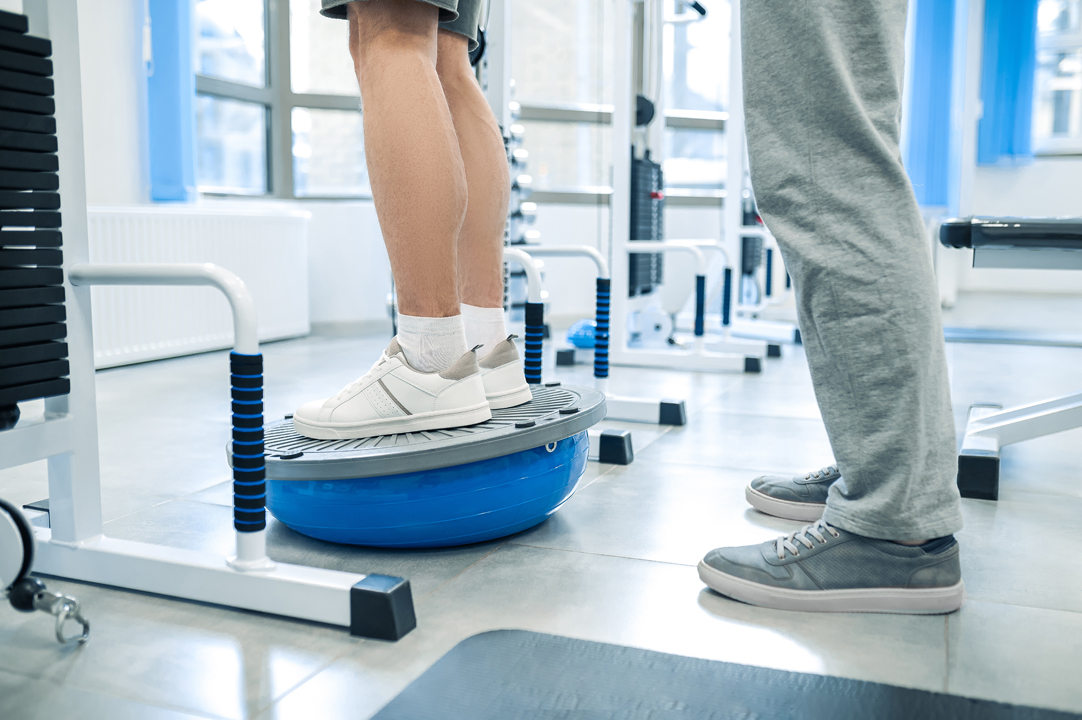
- Balance and stability training
- Activity modification
- Home exercises
- Progressive return-to-activity training
Graphene’s orthopedic rehabilitation approach is designed around detailed evaluation and individualized treatment. The clinic emphasizes addressing contributing movement limitations while helping patients improve function and return to their favorite activities.
What Does Spine Physical Therapy Involve?
Spine physical therapy is not a standardized exercise routine. Your treatment should reflect your symptoms, physical abilities, functional demands, and recovery goals.
Improving Mobility
Restricted spinal or surrounding joint mobility can make everyday movements feel difficult. Appropriate mobility exercises and manual techniques may help improve movement and make functional activities more comfortable.
Building Strength and Stability
The muscles surrounding the trunk, hips, and spine help provide support during movement. Progressive strengthening can improve your ability to handle daily activities, exercise, and sport-specific demands.
Correcting Movement Patterns
Pain can cause you to change the way you sit, lift, walk, exercise, or perform other activities. Movement re-education can help you develop strategies that improve control and efficiency.
Functional Training
Rehabilitation should connect to your real life. Your treatment may incorporate movements related to your job, workouts, hobbies, or athletic activities.
Gradual Return to Activity
As your symptoms and physical abilities improve, your therapist can progressively increase the demands placed on your body. This allows you to work toward your desired level of activity without unnecessarily rushing the recovery process.
Treating the Spine as Part of the Whole Movement System
Spinal symptoms do not always exist in isolation. The spine interacts with the hips, pelvis, shoulders, and lower and upper extremities during almost every movement. A limitation in one region can influence how another part of the body moves or absorbs force.
For this reason, your physical therapist may evaluate more than the location where you experience pain.
Treatment may consider:
- Hip and pelvic mobility
- Core and trunk strength
- Lower-extremity movement
- Shoulder and upper-extremity mechanics
- Balance and stability
- Postural habits
- Lifting and exercise technique
- Daily movement patterns
- Sport-specific demands
Graphene’s current orthopedic rehabilitation approach specifically describes evaluation of posture, joint mechanics, and movement quality to create treatment plans that address contributing factors rather than symptoms alone.
Neck Pain and Cervical Rehabilitation
The cervical spine supports the head while allowing a wide range of movement. Prolonged computer use, repetitive tasks, sports, and previous injuries can contribute to stiffness or discomfort.
A cervical spine physical therapy program may include:
- Gentle mobility exercises
- Manual therapy
- Postural education
- Strengthening of supporting muscles
- Movement retraining
- Shoulder and upper-back exercises
- Functional activity modifications
- Gradual return to exercise
The appropriate approach depends on your symptoms and evaluation. The goal is to help improve comfortable movement and restore the strength and control needed for your daily activities.
Managing Lower Back Pain Through Movement
Lower back symptoms can make sitting, lifting, walking, exercising, and household activities difficult. Graphene’s existing back-pain approach combines hands-on techniques and corrective exercise while considering posture, movement patterns, mobility, and strength.
A lower back pain physical therapy program may focus on:
- Lumbar and hip mobility
- Core stabilization
- Hip and trunk strength
- Movement retraining
- Lifting mechanics
- Postural awareness
- Functional strengthening
- Activity modification
- Gradual return to exercise
The objective is to improve your ability to move and perform daily tasks while developing the physical capacity needed for your lifestyle.
Why Choose Graphene Physical Therapy?
Graphene Physical Therapy was founded by Ann Chen, PT, after more than nine years working in high-volume physical therapy settings. Her experience led her to create a practice centered on private sessions and focused, individualized attention. As a former competitive figure skater and lifelong athlete, Ann also understands the importance of movement and maintaining an active lifestyle.
At Graphene, patients receive:
- Private one-on-one sessions
- Thorough movement evaluations
- Personalized treatment plans
- Manual therapy and corrective exercise
- Functional strength training
- Movement education
- Sport-specific guidance
- Post-operative rehabilitation
- Progressive return-to-activity planning
The clinic’s approach is designed to help patients regain strength, mobility, and confidence while addressing the physical limitations that interfere with everyday life and activity.
Begin Your Spine Recovery in New York, NY
Spinal discomfort does not have to dictate how you work, exercise, or live. Whether you are dealing with neck stiffness, lower back discomfort, a disc-related condition, sciatica, postural limitations, or symptoms following an injury, an individualized rehabilitation plan can help you better understand your movement and work toward meaningful improvement.
At Graphene Physical Therapy, each session is focused on your progress. Your physical therapist can combine hands-on care, corrective exercise, functional training, and movement education based on your individual needs. The goal is to help you move with greater comfort, build lasting strength, and regain confidence in your body.
If spinal pain or movement limitations are affecting your quality of life in New York, NY, Graphene Physical Therapy provides the personalized care and attention needed to move forward.
Take the first step toward better movement. Contact Graphene Physical Therapy today to schedule your FREE Injury Screening and Consultation in New York, NY.