Orthopedic Rehabilitation & Physical Therapy New York NY
Orthopedic Rehabilitation and Physical Therapy in New York, NY
An orthopedic injury can affect much more than the area where symptoms first appear. A shoulder problem may change how you reach, lift, or dress. A knee injury may make stairs, walking, or exercise feel uncertain. A hip or ankle condition can alter the way you move through everyday activities. Even when discomfort seems manageable, changes in movement can gradually affect strength, balance, endurance, and confidence.
Recovery is not simply about waiting for the body to feel better. Meaningful progress often involves rebuilding the physical abilities required for work, exercise, recreation, and daily life. That process may look different for every person depending on the nature of the injury, previous activity level, current limitations, and personal goals. A thoughtful plan can help you understand what your body needs at each stage and how to progress without rushing the process.
At Graphene Physical Therapy, care is centered on helping you return to the activities that matter to you. Whether you are rebuilding function after an injury, adjusting to changes following surgery, or working through a limitation that has gradually affected your routine, treatment can be shaped around your individual needs. The goal is to create practical progress that carries beyond the treatment room and into your everyday life in New York, NY.
Orthopedic Rehabilitation in New York, NY: Where Healing Meets Movement
When movement becomes difficult, even the simplest tasks can feel out of reach. That’s where Graphene Physical Therapy comes in—a trusted clinic in New York, NY, dedicated to helping individuals recover from orthopedic injuries with precision, compassion, and expert care. Patients receive individualized treatment through concentrated one-on-one sessions designed to help them regain strength, mobility, and confidence at every stage of their orthopedic physical therapy and rehabilitation.
Thoughtful, One-on-One Orthopedic Therapy
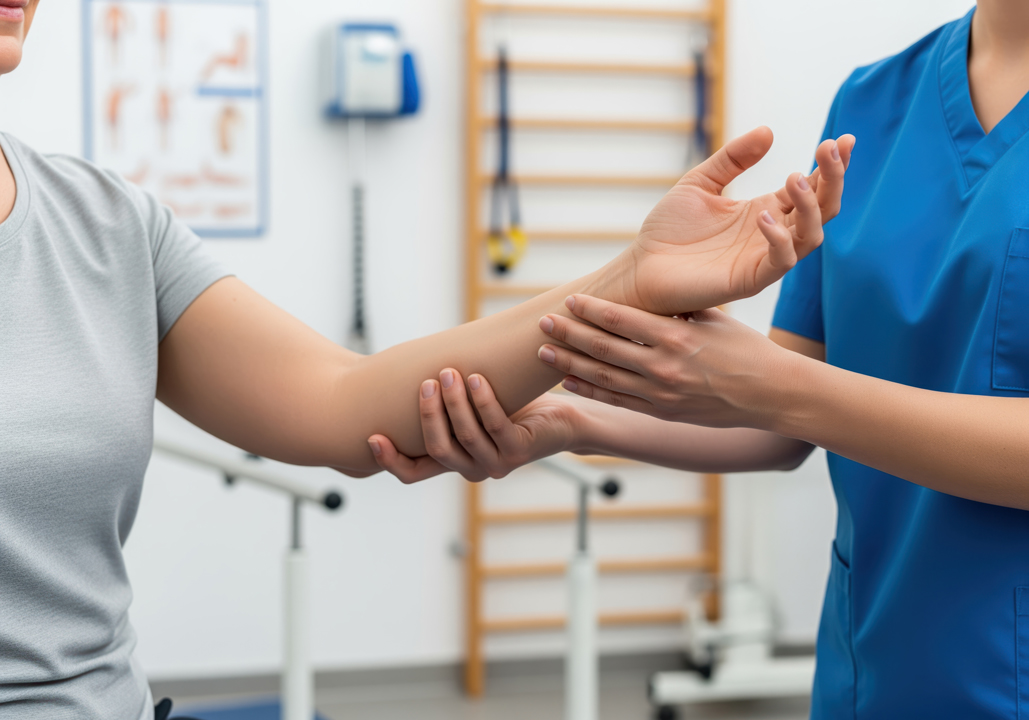
Every recovery journey begins with understanding. Through a detailed evaluation of posture, joint mechanics, and movement quality, our treatment plan for orthopedic physical therapy is crafted to address the cause—not just the symptoms. Sessions focus on enhancing function, reducing pain, and helping patients safely and securely return to their favorite hobbies through hands-on therapy and targeted exercise.
What to expect:
- A personalized plan built around your goals and lifestyle
- Manual therapy for joint and soft tissue mobility
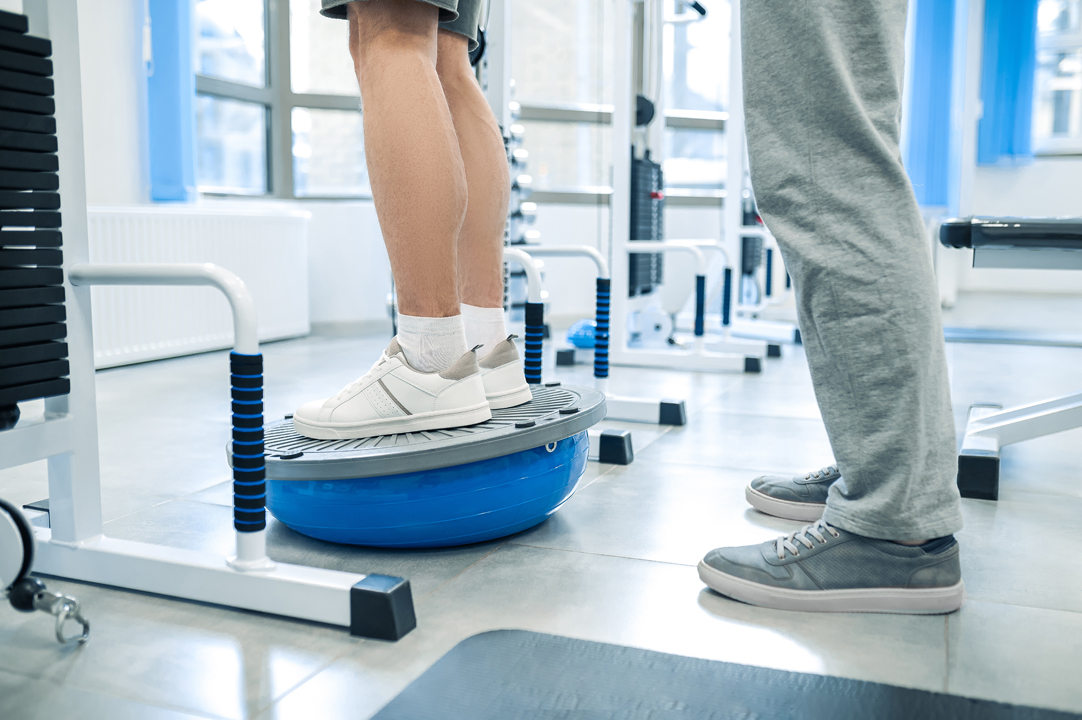
- Functional strength and balance retraining
- Movement education to improve form and prevent re-injury
- Practical guidance for at-home recovery and self-care
Your Recovery Should Reflect the Way You Live
A treatment plan is more useful when it connects directly to the demands of your everyday life. Someone who spends most of the day at a desk may need to regain tolerance for prolonged sitting and regular movement breaks. Someone with a physically demanding job may need to rebuild lifting capacity, balance, endurance, and control. An active adult may be focused on returning to running, strength training, recreational sports, or other activities that require greater physical demands.
These differences are important because recovery should not be measured only by whether a particular movement feels easier during an appointment. It should also be reflected in what you can accomplish outside the clinic. Being able to walk farther, work more comfortably, climb stairs with greater control, carry everyday items, or return to a favorite activity can all represent meaningful progress.
Your goals can also change throughout recovery. Early treatment may focus on restoring comfortable movement and improving basic function. Later stages may involve increasing strength, improving coordination, developing endurance, and preparing your body for more demanding tasks. This gradual progression gives your recovery a clear direction while allowing treatment to adapt as your abilities improve.
Functional Goals Can Include:
- Returning to normal work responsibilities
- Improving tolerance for walking or standing
- Regaining strength after an injury or procedure
- Improving balance and movement control
- Returning to recreational activities
- Building confidence with lifting or carrying
- Resuming exercise safely
- Performing household activities more comfortably
The most meaningful goal is the one that matters to you. Connecting treatment with real-life priorities can make rehabilitation feel more purposeful and help you recognize progress that may otherwise be easy to overlook.
Conditions Treated
Orthopedic rehabilitation at Graphene Physical Therapy supports both surgical and non-surgical recovery, addressing a full range of musculoskeletal concerns:
- Shoulder : rotator cuff injuries, impingement, post-operative care
- Knee : ligament tears, arthritis, runner’s knee, post-surgical rehabilitation
- Hip : labral tears, tendonitis, bursitis, muscular imbalances
- Spine : low back pain, neck pain, disc issues, sciatica, postural strain
- Foot/Ankle : sprains, plantar fasciitis, Achilles tendon injuries
- Wrist/Elbow : fractures, tendonitis, post-surgical stiffness
Looking Beyond the Injured Area
An injury may be located in one part of the body, but movement involves much more than a single joint or muscle. The body works as a connected system, and limitations in one area can influence how other areas contribute to a task.
For example, reduced ankle mobility can affect walking mechanics. Limited hip strength may change how someone manages stairs or lower-body exercises. A shoulder limitation can influence how the upper back and neck participate in reaching. These relationships do not mean that every symptom has the same cause. They simply highlight why looking at overall movement can provide useful information during recovery.
This broader perspective can be especially helpful when symptoms continue for an extended period or when an injury has led to changes in the way you perform everyday activities. Instead of focusing only on where discomfort is felt, treatment can consider mobility, strength, coordination, balance, and functional movement comprehensively.
Building a Stronger Foundation
Once basic movement begins to improve, rehabilitation can progress toward the physical demands you want to handle. This might mean increasing resistance during strengthening exercises, improving balance under more challenging conditions, practicing controlled movements, or gradually increasing the duration for the activity.
Progressive loading is not about doing as much as possible as quickly as possible. It is about giving your body an appropriate challenge and allowing time to adapt. Your current ability, recovery stage, and activity goals all influence what an appropriate challenge looks like.
This approach can help you transition from simply managing an injury toward developing the capacity required for your normal routine. It can also make the return to demanding activities feel more organized because each stage has a clear purpose.
Preparing for the Next Stage of Recovery
Recovery can feel uncertain when you are not sure what comes next. You may wonder when you can increase activity, whether a particular exercise is appropriate, or how much effort is enough to create progress without creating unnecessary irritation. Having a structured progression can make those decisions easier to understand.
An important part of rehabilitation is learning to recognize how your body responds to increasing demands. Your response to an activity can provide useful information about whether the current level is appropriate or whether a change may be needed. This does not mean avoiding every sensation or attempting to push through everything. Instead, it means developing a better understanding of how your body responds as activity increases.
The transition back to normal activity may happen through several stages.
Early progress might involve improving basic mobility and reducing limitations in everyday movements. Later, treatment may focus on strength, endurance, coordination, and more complex functional tasks. For someone returning to sports, additional preparation may be needed before resuming full training. For someone returning to work, the emphasis may be on tolerating the job’s specific physical demands.
Returning to Activity With Greater Confidence
Confidence can be an important part of physical recovery. After an injury, it is common to become cautious about movements that previously caused discomfort or felt unstable. Avoiding those movements indefinitely, however, may make it harder to rebuild the physical capacity and familiarity needed to perform them comfortably.
A gradual return allows you to practice movements in manageable stages. As strength, mobility, and control improve, activities can become progressively more challenging. This allows you to develop confidence through experience rather than relying on assumptions about what your body can or cannot do.
For athletes and active adults, this may mean gradually increasing training volume, resistance, speed, or sport-specific demands. For others, it may mean returning to walking longer distances, lifting household items, traveling, working through a full day, or participating in recreational activities.
The objective is not simply to return to where you were before the injury. It is to help you develop the ability to manage the demands of your current lifestyle with greater awareness and confidence.
Supporting Progress Outside the Clinic
What happens between appointments can be an important part of recovery. The habits, exercises, and activities you choose throughout the week can influence how well you maintain the progress developed during treatment.
A home program does not have to be complicated to be useful. The most effective recommendations are often those that fit naturally into your schedule and have a clear connection to your goals. Your program may involve specific exercises, movement breaks, activity modifications, or gradual increases in the amount of physical activity you perform.
Consistency matters more than trying to accomplish everything at once. Small, manageable actions repeated over time can help reinforce new movement patterns and gradually improve physical capacity. Your response to these activities can also provide useful information that helps guide the next stage of treatment.
Making Rehabilitation Part of Everyday Life
Successful recovery should ultimately extend beyond scheduled appointments. The purpose of treatment is to help you develop the physical abilities and understanding needed to manage your normal activities with greater confidence.
That may involve learning how to approach exercise differently, recognizing when your body needs additional recovery, improving movement technique, or understanding how to respond when an old limitation begins to appear. These skills can help you make informed choices long after your formal treatment has ended.
Rehabilitation can also be an opportunity to become more aware of how your body moves. Understanding your strengths and limitations can make it easier to recognize changes, adjust activity appropriately, and stay engaged with the activities that are important to you.
How Rehabilitation Care Moves You Forward
At Graphene Physical Therapy, rehabilitation care isn’t rushed—it’s intentional. Each session with a physical therapist builds upon the last, reinforcing healthy movement patterns while adapting to your progress. Care integrates advanced manual therapy, corrective exercise, and functional training to ensure lasting results and improved quality of life.
Our approach includes:
- Manual Therapy and Corrective Exercise
- Targeted Therapy for Stability and Repair
- Sport-Specific Guidance and Recovery
- Post-Operative and Surgical Rehabilitation
- Restoring Strength, Mobility, and Confidence
Every person heals differently—and that’s why every plan at Graphene Physical Therapy is unique. Whether you’re an athlete returning to sport, a professional recovering from surgery, or someone seeking relief from everyday pain, you’ll find the care here centered on respect, expertise, and tangible progress from a trusted physical therapist. Each visit moves you closer to feeling—and moving—like yourself again.
When Additional Guidance May Be Helpful
Not every temporary ache requires professional rehabilitation, but persistent limitations need attention when they begin interfering with your normal activities. If an injury continues to affect your ability to work, exercise, walk, lift, participate in recreation, or complete everyday responsibilities, an evaluation may help clarify what is limiting your progress.
Professional guidance may be especially useful when:
- Your movement remains restricted after an injury.
- Strength has noticeably decreased.
- You have difficulty returning to activities you previously performed comfortably.
- A previous injury continues to recur.
- You are changing how you move to avoid discomfort.
- You are uncertain about returning to exercise or sports.
- Recovery after surgery is not progressing as expected.
- You feel limited by weakness, stiffness, reduced balance, or decreased endurance.
An evaluation can help identify current limitations and establish appropriate next steps. It can also provide reassurance when you are unsure about how much activity is appropriate during recovery.
Building Long-Term Confidence in Movement
Recovery does not have to be defined by a single milestone. Progress can be seen in the small improvements that accumulate over time: moving with less hesitation, tolerating longer periods of activity, completing familiar tasks more comfortably, or feeling more confident about what your body can handle.
Orthopedic Rehabilitation can provide a structured framework for rebuilding these abilities while keeping your individual goals at the center of treatment. Rather than following a generic progression, care can evolve according to your response, functional needs, and desired activities.
Choosing orthopedic physical therapy can also help you better understand how mobility, strength, coordination, and movement control contribute to your daily function. A qualified Physical Therapist can guide you through appropriate progression, help refine your movement strategies, and adjust your program as your abilities change.
The goal is not to make recovery feel rushed or complicated. It is to create a practical path forward that helps you regain function and participate more fully in the activities that make your life meaningful.
For people seeking individualized care in New York, NY, Graphene Physical Therapy offers a patient-centered environment where treatment is built around progress, function, and personal goals. Your recovery deserves attention that considers both the injury and the life you want to return to.
Begin Your Orthopedic Recovery Today
Experience orthopedic therapy that combines precision with compassion. Graphene Physical Therapy provides a calm and supportive environment where your comfort and progress are our top priorities. Call 646-588-0082, text 347-706-3503 or visit the clinic in New York, NY, to start your orthopedic rehabilitation care journey and rediscover the strength to move freely again.