Shoulder Physical Therapy in New York, NY, for Pain Relief and Confident Movement
Orthopedic Rehabilitation and Physical Therapy in New York, NY
Shoulder pain can make everyday activities feel unexpectedly difficult. Reaching overhead, putting on a jacket, lifting an object, working at a desk, exercising, or participating in sports can all become challenging when your shoulder is painful, stiff, or weak. At Graphene Physical Therapy, we take the time to understand how your shoulder functions within the rest of your body rather than focusing only on the painful area. Our private, one-on-one approach allows your physical therapist to perform a thorough evaluation and create a personalized plan based on your symptoms, activity level, lifestyle, and goals. Located in New York, NY, we provide individualized orthopedic rehabilitation designed to help active individuals restore strength, mobility, control, and confidence.
Understanding Shoulder Pain
The shoulder is one of the body’s most mobile joints. That mobility allows you to reach, lift, rotate, throw, push, and pull, but it also means the shoulder depends on coordinated movement from numerous muscles, tendons, joints, and surrounding structures.
Shoulder discomfort can develop suddenly after an injury or gradually from repetitive activity. Athletes, active individuals, and people who perform repetitive tasks may experience symptoms when the shoulder is repeatedly exposed to demands that exceed its current capacity.
Common contributors to shoulder symptoms include:
- Sports-related injuries
- Repetitive overhead activity
- Muscle or tendon irritation
- Rotator cuff injuries
- Joint stiffness
- Shoulder instability
- Post-operative limitations
- Reduced strength
- Poor movement coordination
- Previous injuries
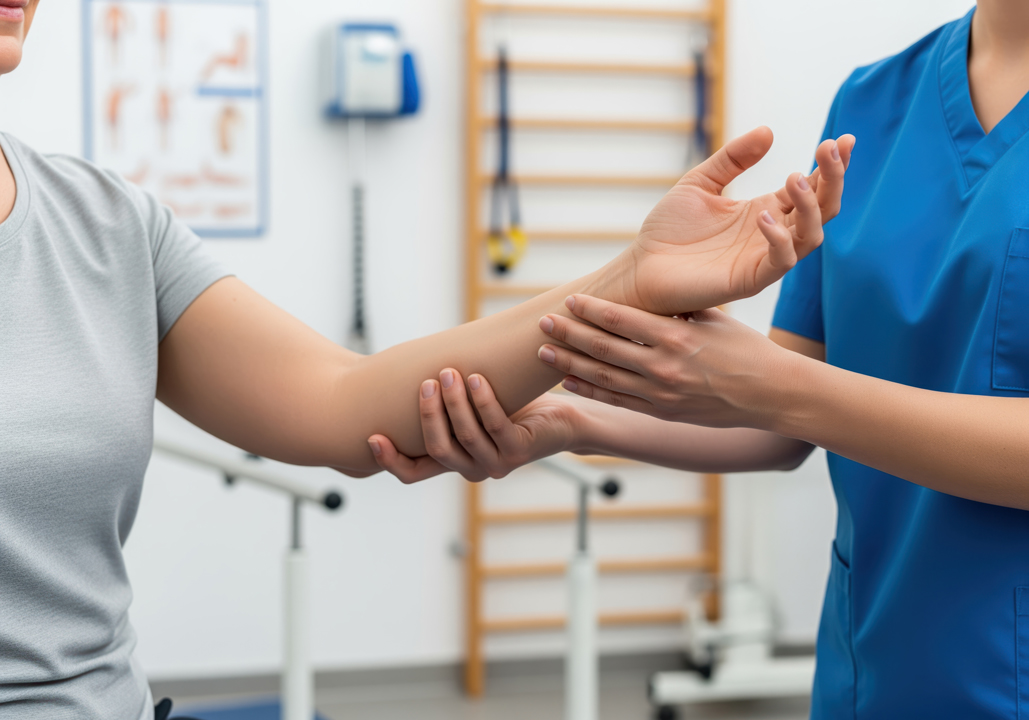
Symptoms can vary significantly from person to person. Some individuals experience pain only with overhead movements, while others may have discomfort at rest, stiffness, weakness, or difficulty sleeping.
A comprehensive evaluation can help identify how your symptoms relate to shoulder mobility, strength, stability, and movement patterns.
Common Shoulder Conditions
Rotator Cuff Injuries
The rotator cuff is a group of muscles and tendons that helps stabilize and move the shoulder. Injury or irritation can cause pain, weakness, and difficulty with lifting or reaching.
A personalized rehabilitation program may focus on restoring shoulder mobility, strengthening the rotator cuff and surrounding muscles, and gradually rebuilding the capacity required for your activities.
Shoulder Impingement
Shoulder impingement can cause discomfort during overhead movements and activities that require repeated lifting or reaching. Treatment may address mobility, strength, movement mechanics, and activity demands.
Shoulder Instability
Some individuals experience a feeling that the shoulder is slipping, shifting, or lacking control. This may occur after an injury or repeated episodes of instability. Rehabilitation can focus on strength, coordination, stability, and confidence during movement.
Post-Operative Rehabilitation
Following shoulder surgery, restoring movement and strength is often a gradual process. Your rehabilitation program should respect the healing process while progressively addressing mobility, strength, and functional demands according to your medical team’s recommendations.
When Should You Consider Physical Therapy?
Occasional soreness after an unfamiliar activity may improve with appropriate rest and recovery. However, persistent or recurring shoulder symptoms can affect your movement and quality of life.
Consider an evaluation if you experience:
- Persistent shoulder discomfort
- Difficulty reaching overhead
- Pain when lifting objects
- Weakness during exercise
- Reduced range of motion
- Difficulty sleeping comfortably
- Pain during sports
- Recurrent shoulder problems
- Difficulty returning to normal activities
- Loss of confidence using the affected arm
A physical therapist can assess your movement and determine which factors may be contributing to your symptoms.
Personalized Shoulder Pain Treatment in New York, NY
At Graphene Physical Therapy, shoulder pain treatment begins with a thorough understanding of your individual condition. Your physical therapist considers your symptoms, injury history, physical demands, activity level, movement patterns, and recovery goals when developing your plan.
Depending on your needs, treatment may include:
- Hands-on manual therapy
- Joint and soft-tissue mobility techniques
- Targeted strengthening
- Rotator cuff exercises
- Scapular stabilization
- Movement re-education
- Functional exercises
- Activity modification
- Home exercises
- Progressive return-to-sport training
The goal is not simply to reduce pain. Rehabilitation should help restore the strength, mobility, control, and confidence necessary for you to perform the activities that matter to you.
Graphene’s one-on-one care model allows treatment to be adjusted based on your progress rather than following a predetermined routine.
What Does Shoulder Physical Therapy Involve?
Shoulder physical therapy is individualized according to your symptoms, physical abilities, diagnosis, and goals. A person recovering from a sports injury may have very different rehabilitation needs from someone experiencing shoulder stiffness after surgery.
Restoring Mobility
Shoulder stiffness can affect reaching, dressing, lifting, and exercise. Appropriate mobility exercises and hands-on techniques may help address restrictions identified during your evaluation.
Building Strength
The shoulder relies on coordinated strength from the rotator cuff, shoulder blade, upper back, and surrounding muscles. Progressive strengthening can improve your ability to control the arm during everyday and athletic movements.
Improving Shoulder Blade Control
The shoulder blade plays an important role in positioning and supporting the shoulder during movement. Rehabilitation may incorporate exercises designed to improve coordination and control.
Movement Re-Education
Pain can change the way you move without you realizing it. Your therapist can evaluate your movement patterns and help you develop more efficient strategies for reaching, lifting, pushing, pulling, and other activities.
Functional Training
Your rehabilitation should prepare you for your actual lifestyle. Treatment can progress toward the movements required for work, exercise, hobbies, or sports.
Rotator Cuff Injuries and Rehabilitation
Rotator cuff problems can range from irritation and tendinopathy to partial or complete tears. Symptoms may include pain with reaching, weakness when lifting the arm, discomfort during certain exercises, or difficulty performing overhead activities.
Rotator cuff tear physical therapy may be appropriate depending on the nature and severity of the injury and your healthcare provider’s recommendations.
A rehabilitation program may emphasize:
- Restoring appropriate shoulder mobility
- Strengthening the rotator cuff
- Improving shoulder blade control
- Building upper-body strength
- Improving movement coordination
- Gradually increasing resistance
- Modifying aggravating activities
- Preparing for functional or athletic demands
The progression should be individualized. The amount and type of exercise appropriate for one person may not be appropriate for another, particularly following a significant tear or surgical procedure.
Shoulder Rehabilitation After Injury or Surgery
Returning to normal activity after a shoulder injury or surgery requires patience and progressive loading. Trying to do too much too quickly can interfere with recovery, while avoiding movement for too long may contribute to stiffness and weakness.
Shoulder rehabilitation at Graphene Physical Therapy can be tailored to your stage of recovery and individual goals.
Your program may progress through several areas:
Early Movement
When appropriate, treatment may focus on maintaining or restoring safe movement while respecting tissue healing and medical restrictions.
Strength Development
As healing progresses, strengthening exercises can help rebuild the muscles responsible for shoulder stability and movement.
Functional Recovery
Exercises can become increasingly specific to your daily activities, work requirements, or exercise routine.
Return to Sport
Athletes may need additional progression involving throwing, lifting, overhead movements, contact, or sport-specific activities. Your therapist can help gradually introduce these demands when appropriate.
Looking Beyond the Shoulder
Shoulder movement does not occur in isolation. The neck, upper back, shoulder blade, and trunk all contribute to how the arm moves.
For this reason, your evaluation may consider:
- Neck mobility
- Upper-back movement
- Shoulder blade control
- Core stability
- Posture
- Upper-extremity strength
- Movement coordination
- Work-related movement patterns
- Sport-specific demands
Looking at the entire movement system can help identify contributing limitations and create a more comprehensive rehabilitation strategy.
How Physical Therapy Can Support Active Individuals
Shoulder injuries can be particularly frustrating when they interfere with exercise or sports. Athletes may have difficulty lifting, swimming, throwing, climbing, practicing yoga, or performing other movements that require the shoulder to work repeatedly.
Rehabilitation can help you progressively rebuild your physical capacity through:
- Strength training
- Mobility exercises
- Functional movement
- Stability work
- Progressive loading
- Movement education
- Sport-specific exercises
- Activity modification
The goal is to help you return to your desired activities with greater confidence rather than simply avoiding the movements that currently cause discomfort.
Why Choose Graphene Physical Therapy?
Graphene Physical Therapy was founded by Ann Chen, PT, after more than nine years of experience working in high-volume physical therapy environments. Her goal was to create a practice where patients could receive focused, individualized attention rather than having treatment divided among multiple people.
As a former competitive figure skater and lifelong athlete, Ann also understands the importance of staying active and returning to the activities that make life meaningful.
At Graphene, patients receive:
- Private one-on-one sessions
- Thorough physical evaluations
- Individualized treatment plans
- Hands-on care
- Targeted therapeutic exercise
- Movement re-education
- Functional strength training
- Orthopedic rehabilitation
- Sports injury rehabilitation
- Progressive return-to-activity planning
The practice’s approach is centered on helping active individuals overcome injuries and regain their quality of life through attentive, personalized care.
A Personalized Approach to Shoulder Recovery
Every shoulder problem is different. Some people need to regain mobility following an injury, while others need to rebuild strength after surgery or improve movement control following a recurring problem.
Your treatment can evolve as you improve. Exercises, manual techniques, activity recommendations, and functional training can be modified according to your progress and goals.
This individualized approach allows rehabilitation to remain relevant throughout your recovery and helps you work toward the activities that are important to you.
Take the Next Step Toward Better Shoulder Function
Shoulder discomfort does not have to determine what you can and cannot do. Whether your symptoms developed through repetitive activity, followed an injury, or appeared after surgery, the right rehabilitation approach can help you better understand your condition and work toward improved movement.
At Graphene Physical Therapy, every session is focused on your individual needs. Through one-on-one attention, thorough evaluation, hands-on care, targeted exercise, and progressive rehabilitation, you can work toward restoring strength, mobility, stability, and confidence.
If shoulder pain is affecting your work, exercise, sports, or everyday activities in New York, NY, Graphene Physical Therapy can help you take the next step toward recovery.
Contact Graphene Physical Therapy today to schedule your FREE Injury Screening and Consultation in New York, NY.